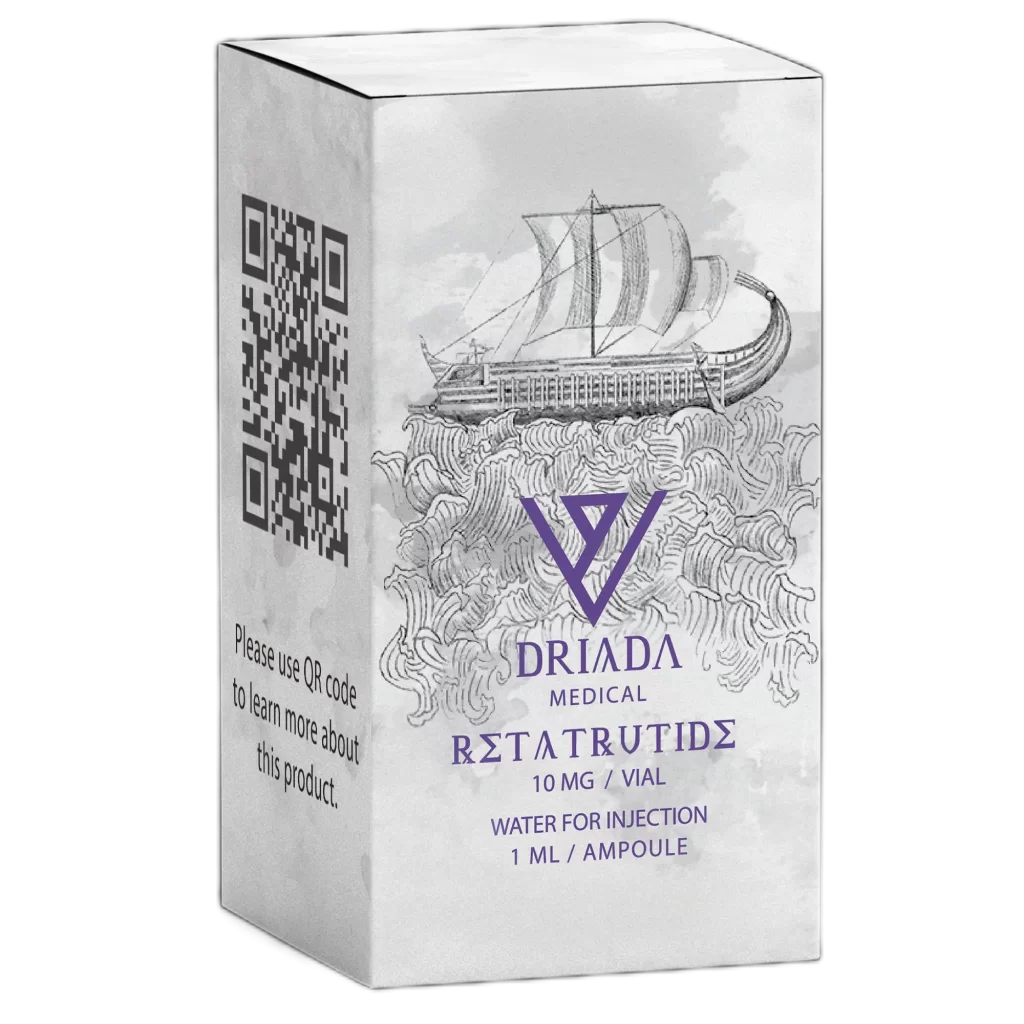
Retatrutide is a triple hormone (GIP, GLP-1 and glucagon) receptor agonist in development for the treatment of obesity.
- Retatrutide works as a triple–hormone-receptor agonist (GIP–GLP-1–GCG receptor agonists)by targeting three different hunger-regulating hormones:
- GIP(gastric inhibitory peptide or glucose-dependent insulinotropic polypeptide) is an incretin hormone that is released from the gut after eating. It stimulates the beta-cells in the pancreas to secrete insulin.
- GLP-1 (glucagon-like peptide-1) is also an incretin hormone that stimulates the beta-cells to secrete insulin.
- GCG (glucagon) is a hormone secreted from the alpha-cells in the pancreas. It stimulates glucose production in the liver and helps maintain adequate plasma glucose concentrations.
- During early development, its code name was LY3437943, and it has also been nicknamed ‘triple agonist’ or ‘triple G‘ because it is an agonist of all three “G” receptors. Retatrutide is also known as reta peptide or reta, as it is a peptide-based medicine.
- Retatrutide average weight loss was71.2 lbs (32.3 kg) for the 12 mg dose in a 68-week trial. Results were from the Phase 3 TRIUMPH-4 clinical trial (NCT05869903) for adults with obesity or overweight and knee osteoarthritis, without diabetes, as an adjunct to a healthy diet and physical activity.
In the TRIUMPH-4 clinical trial, Retatrutide 9mg reduced pain by up to an average of 75.8% (4.5 points) using the Western Ontario and McMaster Universities Osteoarthritis Index (WOMAC) pain score.
- Phase 2 clinical trial results published in The New England Journal of Medicine show retatrutide achieved up to 17.5% mean weight reduction at 24 weeks in adults with obesity and overweight. In a secondary endpoint, retatrutide demonstrated a mean weight reduction of up to 24.2% at 48 weeks.
- Retatrutide is an injection that is administered once weekly.
- Obesity is a complex disease that occurs when an individual’s weight is higher than what is considered healthy for his/her height. According to the CDC, people with a body mass index (BMI) between 25 and 29.9 are considered overweight, and people with a BMI of 30 or higher are considered obese.
In the Retatrutide Phase 2 clinical trial:
- Weekly doses of retatrutide 1 mg, 4 mg, 8 mg, or 12 mg were compared with placebo
- Trial duration was 48 weeks
Experimental weekly dose treatment regimes included:
- 1mg dose
- Initial dose of 2mg and increasing to 4mg
- 4mg dose
- Initial dose 2mg increasing to 8mg
- Initial dose 4 mg increasing to 8 mg
- Initial dose 2 mg increasing to 12 mg
- Placebo
Disclaimer: dosing outside trials is unsafe and not recommended.
Weight reduction outcomes
The Phase 2 clinical trial demonstrated a dose-dependent reduction in body weight among participants receiving retatrutide.
Retatrutide weight loss results
- Results at 24 weeks: average weight loss for each dose group
- 1 mg group lost 7.2% of their body weight
- 4 mg lost 12.9%
- 8 mg lost 17.3%
- 12 mg lost 17.5%
- The placebo lost only 1.6%
- Results 48 weeks: average weight loss per dose group:
- 1 mg lost 8.7%
- 4 mg lost 17.1%
- 8 mg lost 22.8%
- 12 mg lost 24.2%
- The placebo group saw only a modest 2.1% decrease








Reviews
There are no reviews yet.